The inspiration for ClearCheck came from the Optical Coherence Tomography (OCT) technology used in ophthalmology scans, which emits light waves to the retina to take high-resolution, 3D images of the eye’s internal structures. Combining this with other technologies, such as LINDA app's AI-assisted breast cancer detection and MRI and CT scan's targeting of specific tissues, I developed the blueprint of my design.
Due to lack of access to real market research, I developed two user personas based on personal observations, supplemented by Chat GPT.
The Preventative Care Advocate is proactive about health and partakes in regular health check-ups. Her goals are early detection and access to easily interpretable and actionable results.
The High-Risk Patient has had cancer in the past or is at-risk for developing cancer due to family history or existing health conditions. Her goals are regular screening to catch relapses and seamless integration with ongoing healthcare.
To inform my design, I developed user journey maps and user flow diagrams to map out how users interact with the product and accompanying app. I also developed product flow diagram to map out the structure and content of the app.
My initial idea was a small portable space that conducts a 360 degree scan of the person standing in the middle. After consultation, it was decided that this poses an issue for those with mobility issues, and I eventually settled on a drone.
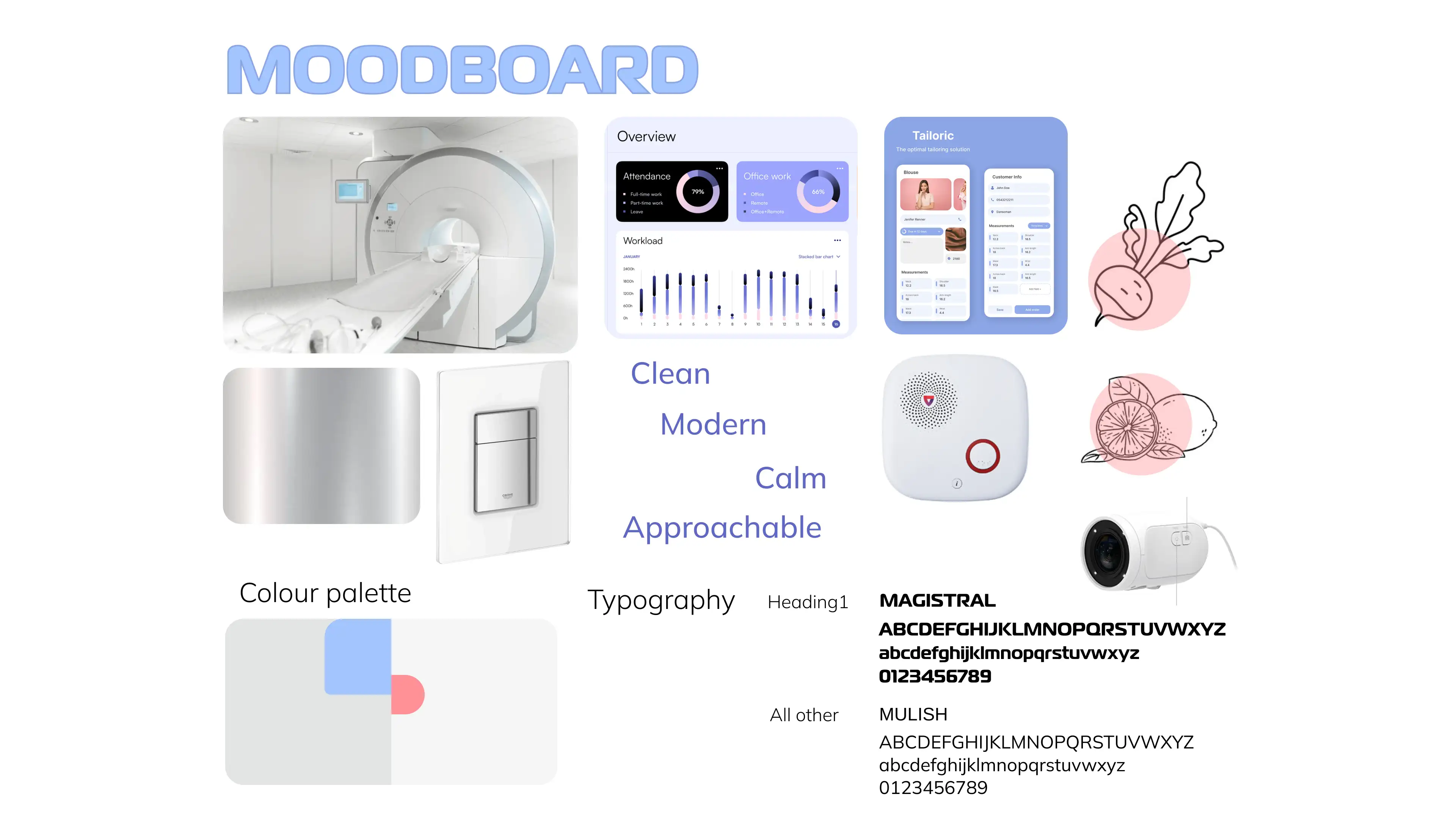
Like most modern medical equipment, the design of the drone is clean and minimalistic, making it look cutting-edge and trustworthy. It also looks calm with muted colours and clean lines and is simple to operate with only the essential features and buttons. This maximizes usership by reducing the risk of putting off potential users with unnecessary complexity.
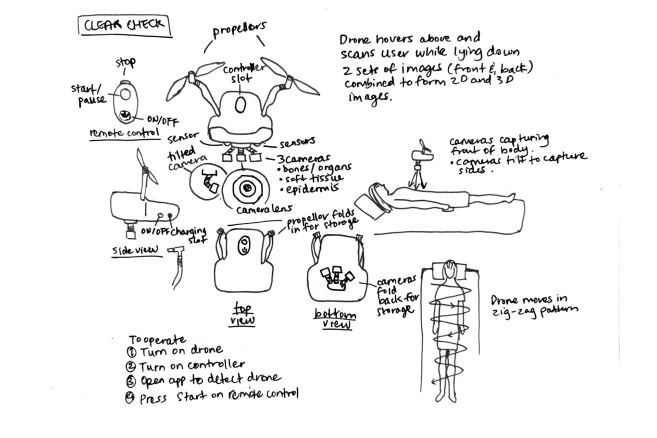

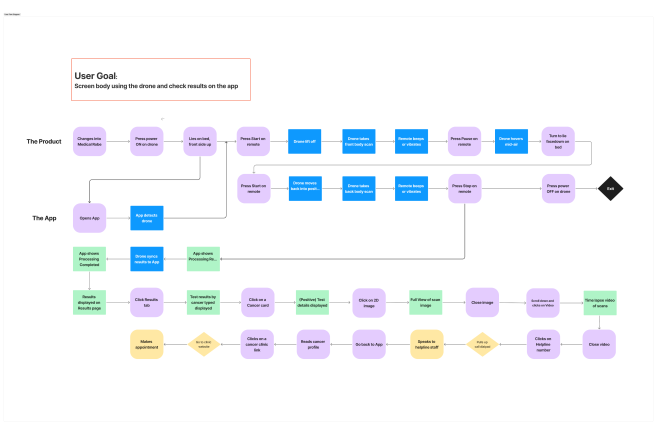
The result is a drone that can be controlled using a remote or through the app. It hovers above the user lying down and moves in a zig-zag pattern to capture detailed scans of the front and the back of the body to form 2D and 3D images. These are then sent to the app for AI-assisted analysis.
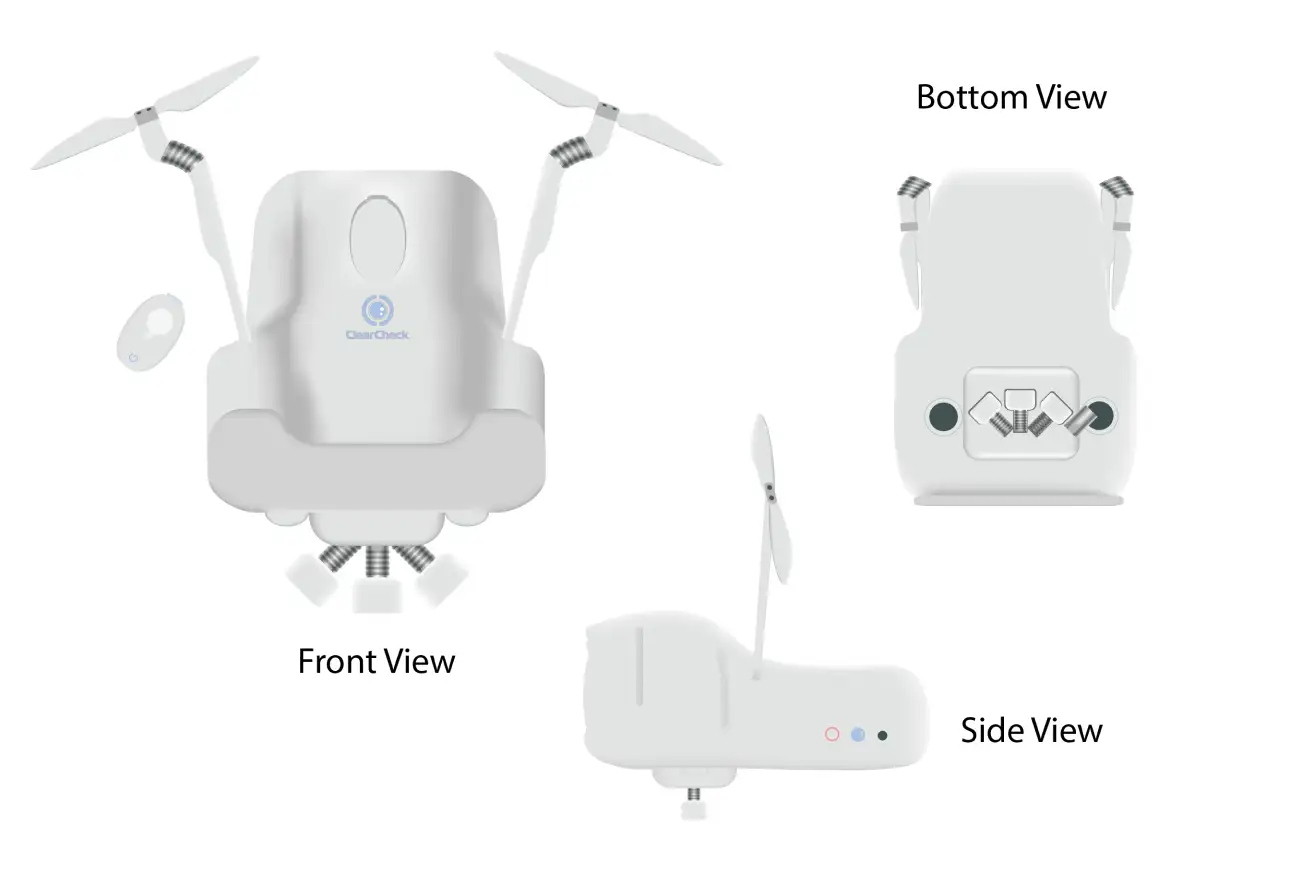
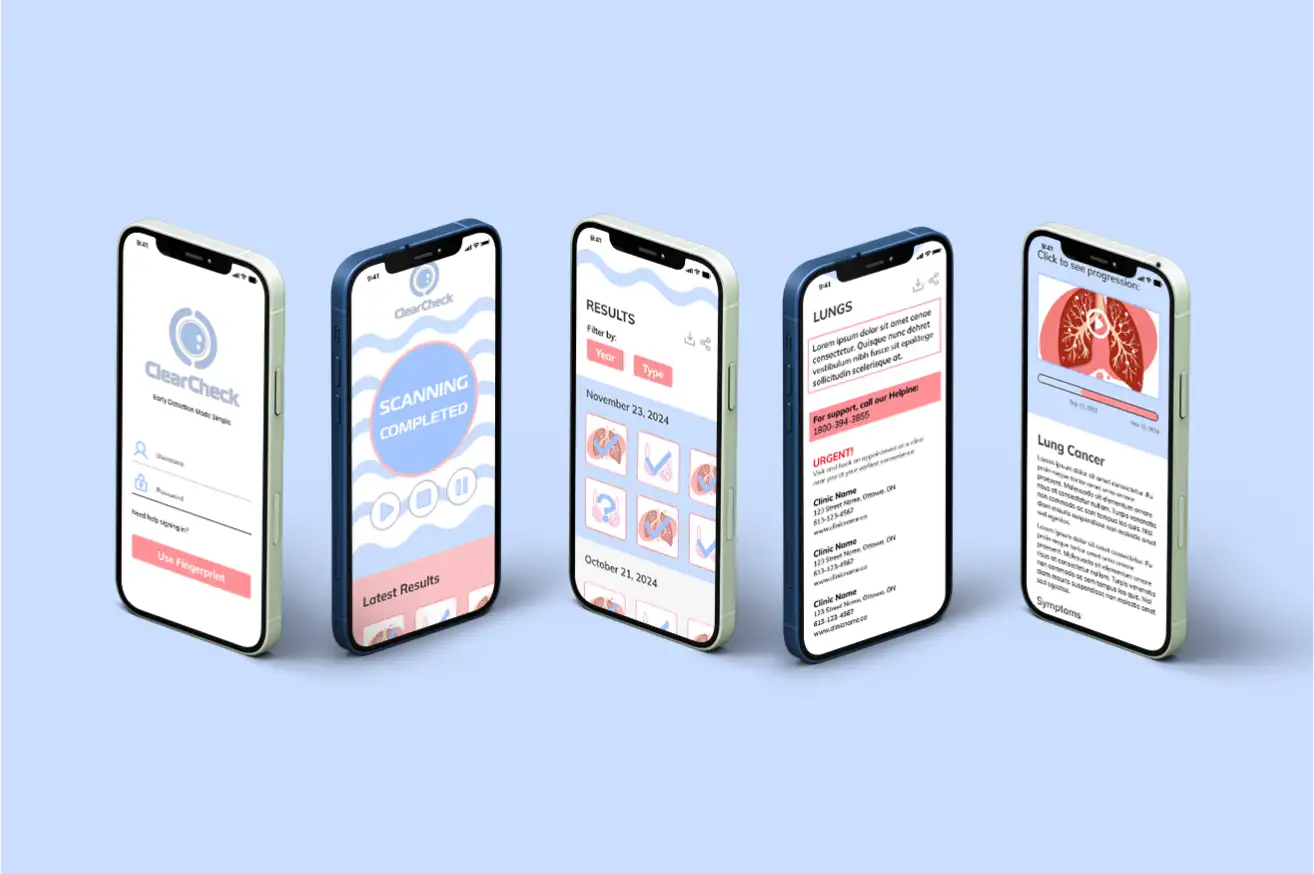
Results from the scan are automatically sent to the app for AI-assisted analysis and detection and stored for future reference and comparison.
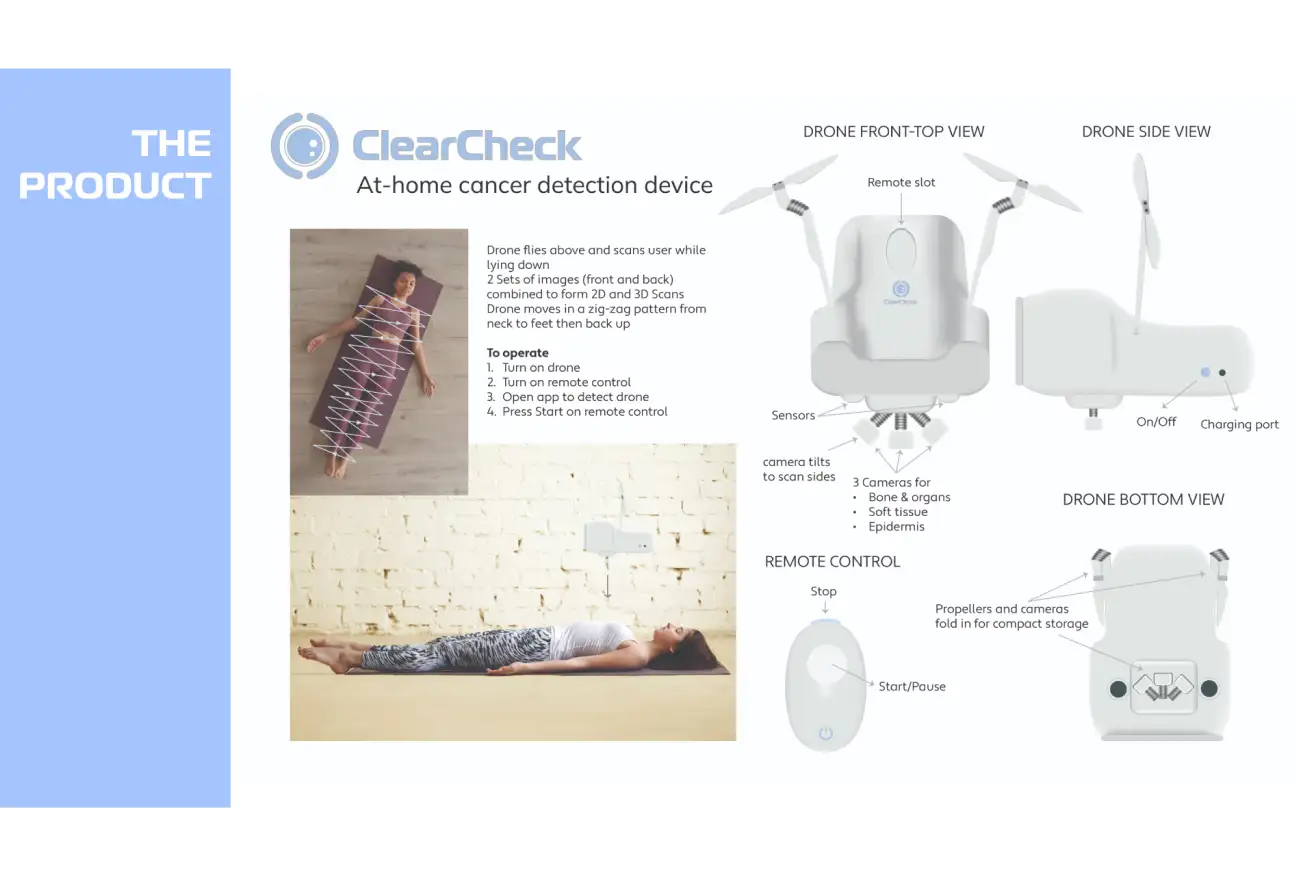
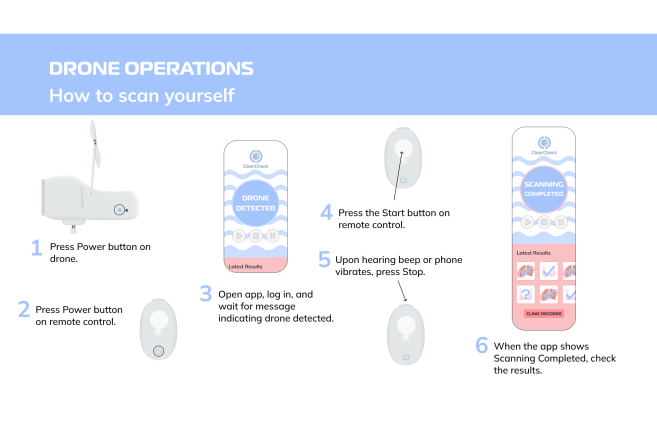

ClearCheck is a non-invasive at-home cancer screening device and app that detects multiple types of cancer, is easy to operate, and uses AI-assisted cancer detection technology. It enables frequent self-screening and early detection, allowing for more effective, less intensive treatments and improving outcomes. Furthermore, it provides users with peace of mind and empowerment over their own health.